Send Kubernetes incident alerts to PagerDuty with kwatch

PagerDuty is a good destination when a Kubernetes failure needs an on-call response. kwatch adds the Kubernetes context before it sends the incident: the affected workload, likely cause, recent evidence, and what to investigate next.
The screenshots are from the original guide. Check the current PagerDuty channel guide before configuring a new integration.
1. Create a PagerDuty integration
Create a service, choose an escalation policy, and add the Events API v2 integration. PagerDuty's escalation policy guide and Events API reference show the current UI and integration options.

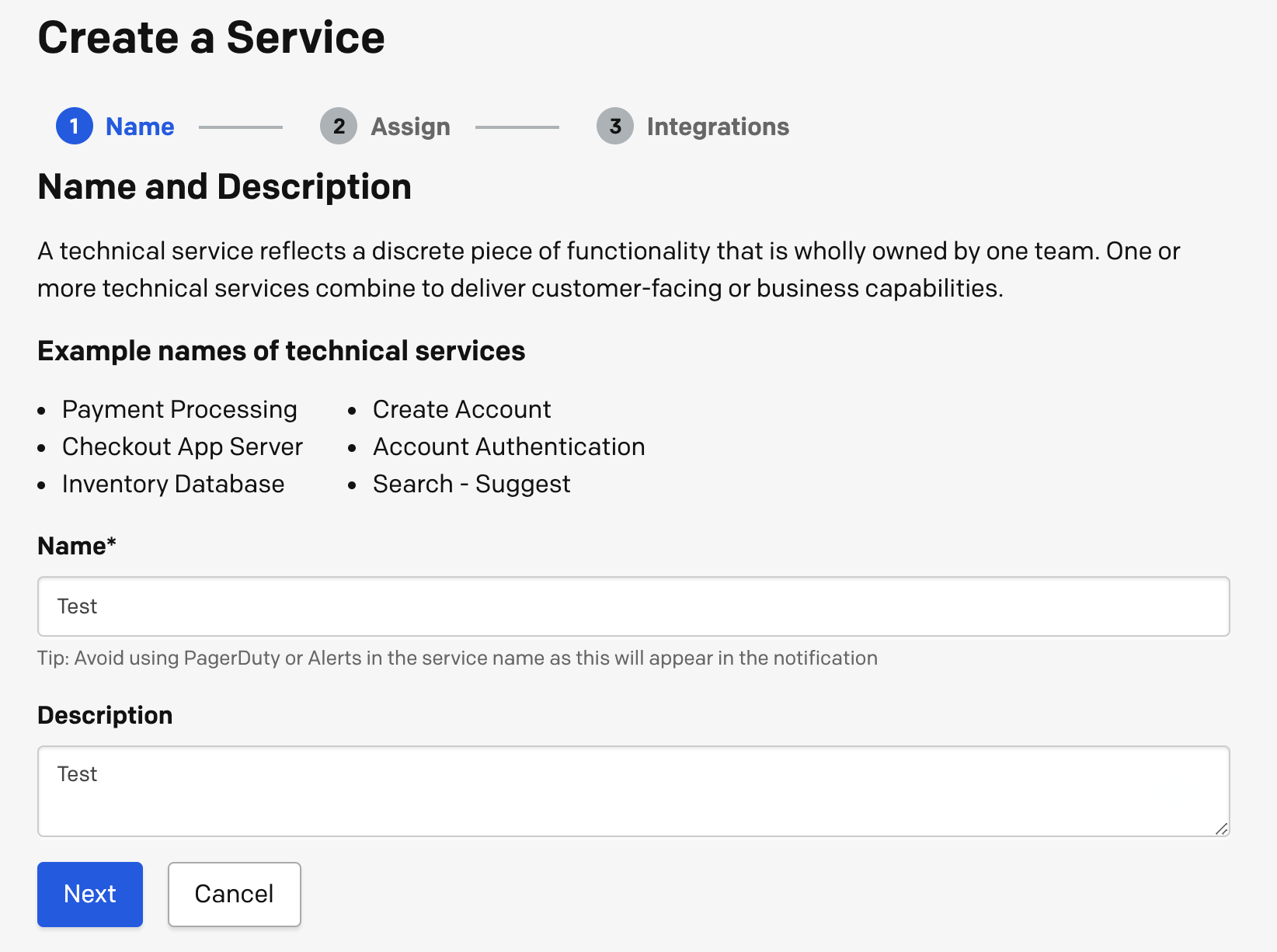
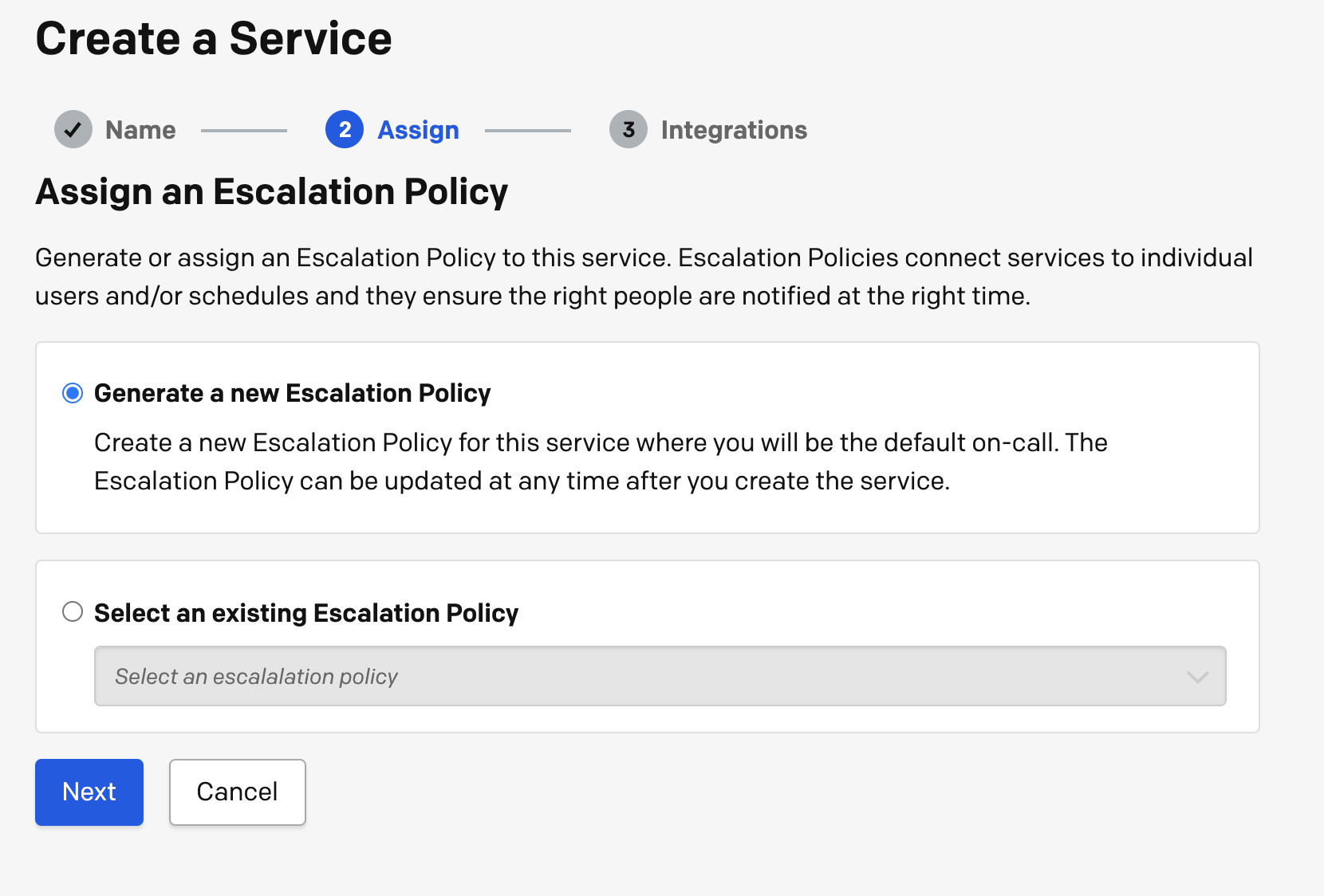
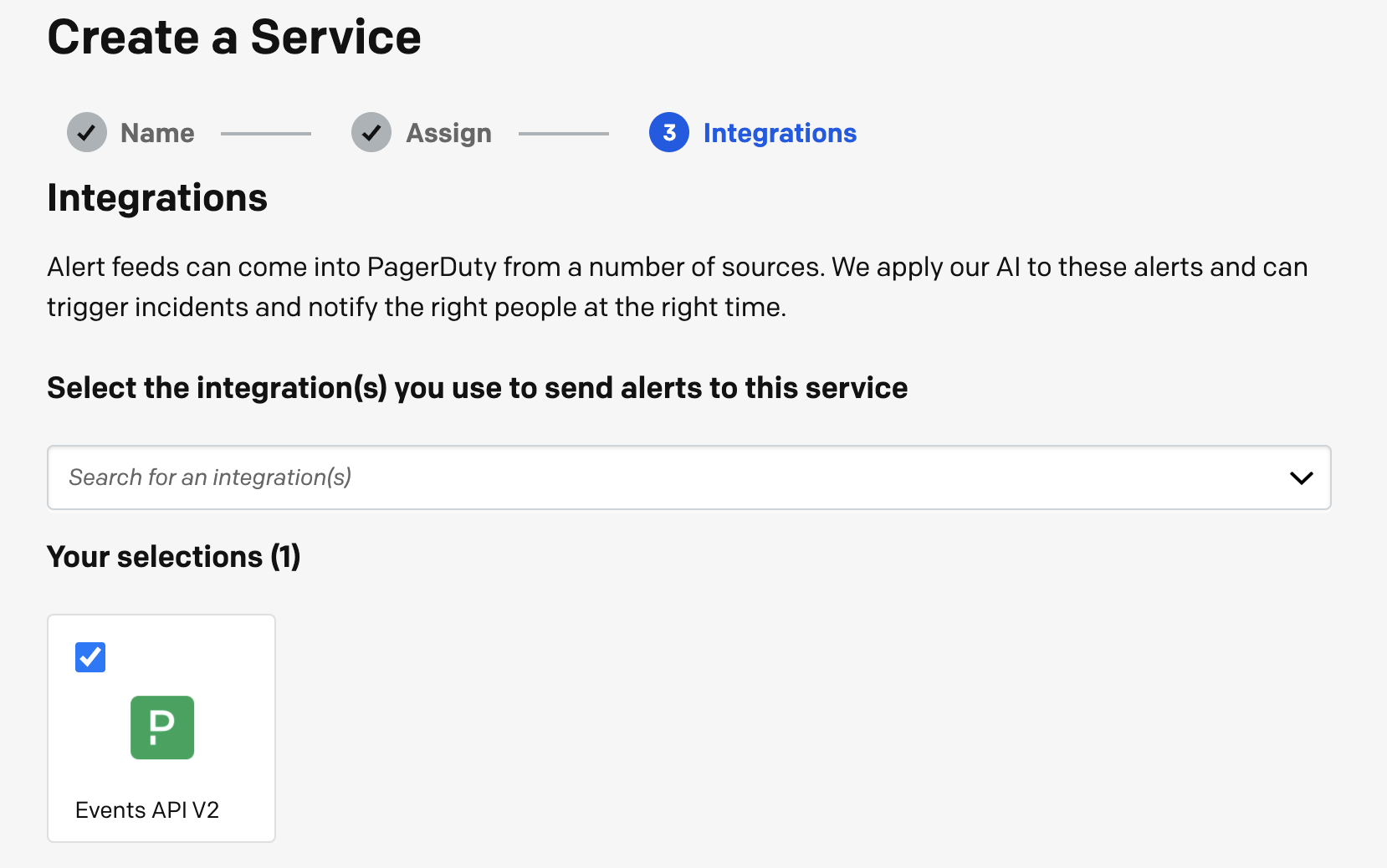
Copy the service's integration key. It is a credential and must be stored in a Kubernetes Secret, never as a plain value in a ConfigMap or Git repository.
2. Install kwatch with kwatch.sh
Run the supported interactive installer:
/bin/bash -c "$(curl -fsSL https://kwatch.dev/kwatch.sh)"
Choose Configure notification, select PagerDuty, and provide the integration key. The generated configuration uses a Secret-backed file:
alert:
  pagerduty:
    integrationKey: "${file:/config/pagerduty-integration-key}"
The manager installs the matching release and waits for readiness. It also handles future configuration changes and upgrades; do not apply old release manifests from this historical article.
3. Verify delivery
Run kwatch lint --check where PagerDuty credential checks are supported, or
use the diagnostics /test-alert endpoint for an end-to-end notification.
The PagerDuty channel guide covers routing, retry,
fallback, and compact delivery options.
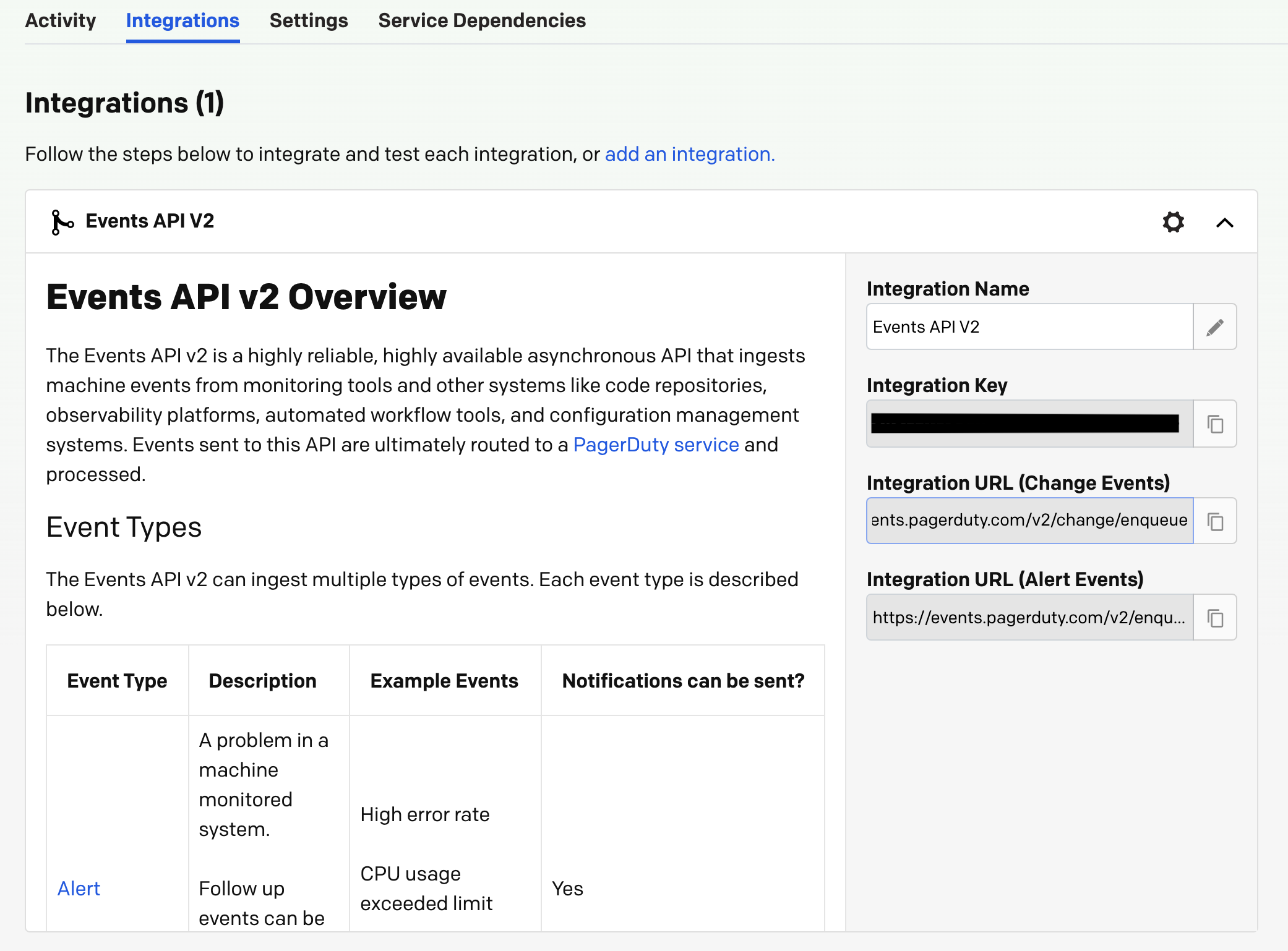
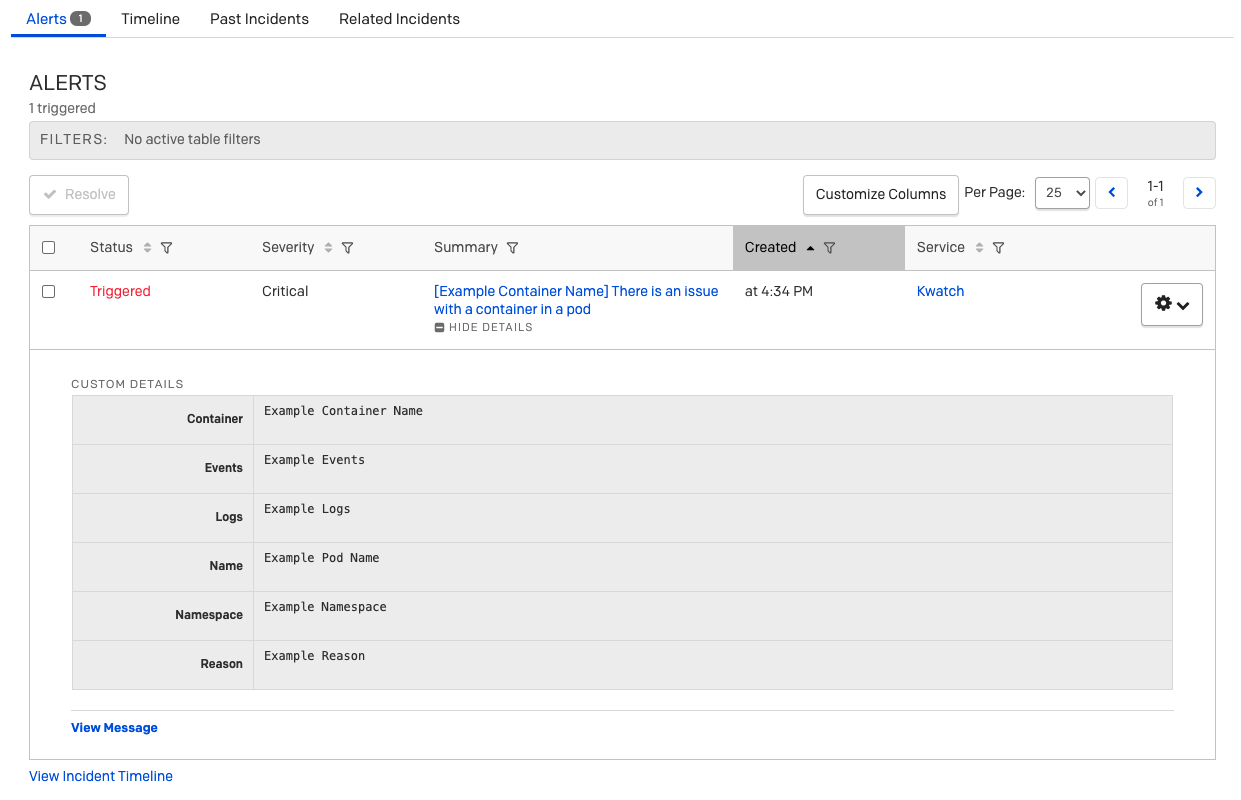
You should now receive a PagerDuty incident when kwatch detects a configured Kubernetes failure:
For more destinations, browse the complete provider reference.